Source Outdoor Indoor Limestone Pavers for Patios, Walls, and Hotels
Explore 30 listings for outdoor indoor limestone pavers suitable for residential patios, commercial hotel lobbies, and decorative wall cladding. Compare natural stone options featuring custom sizes, various finishes, and OEM services to find the right material for your project; compare the available evidence and request quotations based on your requirements.
Key considerations
Products List


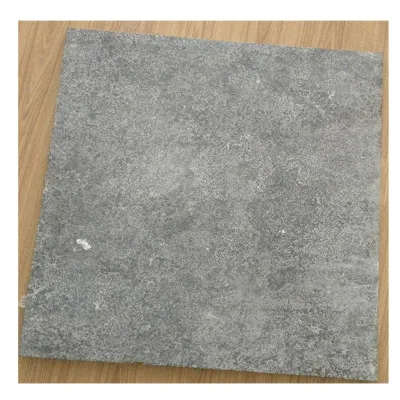
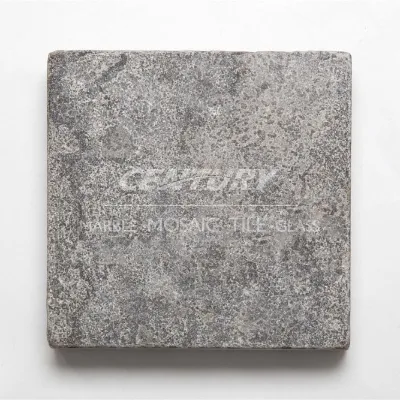

Comprehensive Sourcing Guide
Outdoor Indoor Limestone Pavers Sourcing Guide
Buyers must first distinguish between natural stone varieties and engineered alternatives, as the supplied data indicates a primary focus on natural stone products like river stone pebbles and sandy slate. While the core keyword suggests limestone, the observed inventory includes granite and pebble types, requiring procurement teams to verify the specific geological composition before finalizing orders. This distinction is critical because the physical properties, such as porosity and erosion resistance, vary significantly between stone types and directly impact suitability for specific indoor or outdoor environments.
The observed product range spans from small trail orders to large-scale custom projects, with suppliers offering flexible customization for shapes, sizes, and surface finishes. Buyers should note that applications extend beyond simple flooring to include embossed tiles, wall panels, and sculptural elements for hotels, salons, and residential spaces. Understanding these diverse use cases helps in selecting the right product form, whether it is a standard slab, a cut-to-size tile, or an irregular paver designed for landscape integration.
Product Scope and Observed Listing Signals
Procurement teams should analyze the observed listing signals to understand the breadth of available customization, which includes specific surface finishes like polishing, honing, and natural textures. The data confirms that suppliers offer a wide spectrum of colors, ranging from standard yellows, beiges, and grays to custom-matched hues, allowing for precise aesthetic alignment with project designs. This flexibility is particularly valuable for high-end commercial projects where specific color palettes and stylistic themes, such as classical or western modern, are mandatory requirements.
Buyers must also evaluate the physical forms available, which include square, Z-type, corner, and S-shape configurations alongside standard slabs and tiles. The presence of features like waterproofing, stain resistance, and antibacterial properties suggests that these products are engineered for high-traffic and hygiene-sensitive areas. However, the variation in stone forms and the availability of free samples indicate that visual and tactile verification is essential before committing to bulk orders, ensuring the final product meets the intended design and functional criteria.
Technical Specifications to Verify
Technical verification begins with confirming the thickness and dimensional tolerances, as the observed data lists options ranging from 8mm to 10mm and general 1-2cm specifications. Buyers need to ensure that the selected thickness aligns with the structural load requirements of the installation site, particularly for outdoor paving where durability against weathering is paramount. The availability of cut-to-size options and various standard dimensions like 300x300mm or 600x600mm provides flexibility, but precise measurement protocols must be established to minimize waste and ensure a seamless fit during installation.
Surface finishing and quality standards are equally critical, with observed categories ranging from AA grade with 90% polishing to B grade with mixed colors and unlimited thickness. Procurement teams must explicitly define the required quality standard in their purchase orders to avoid receiving products that do not meet the project's aesthetic or performance expectations. Additionally, verifying the erosion resistance and chemical properties, such as the non-acidic nature of slate, ensures the material will withstand environmental exposure without degrading over time.
Compliance and Safety Documentation
While the supplied facts mention ISO certification and European standards, buyers must request specific, verifiable documentation to confirm that the products meet the safety regulations of their target market. The presence of an ISO certification is a positive indicator, but it does not automatically guarantee compliance with local building codes or specific fire safety ratings required for commercial or residential projects. Sourcing teams should demand test reports that validate the claimed features, such as antibacterial properties and thermal efficiency, to ensure these assertions are backed by independent laboratory data rather than manufacturer claims.
Safety documentation should also cover the environmental impact and chemical stability of the stone, particularly regarding the non-acidic erosion resistance noted in the product descriptions. Buyers need to verify that the packaging and fumigation processes, such as the use of seaworthy wooden crates, comply with international shipping regulations to prevent the introduction of pests or contaminants. Ensuring that all safety and environmental claims are supported by valid certificates protects the buyer from liability and ensures the project meets sustainability goals.
Cost Drivers and Commercial Terms
The observed price range of 3 to 17,160 USD highlights significant cost variability driven by factors such as stone type, customization level, and order volume. Buyers should anticipate that highly customized designs, specific surface finishes like high polishing, and complex shapes will command premium pricing compared to standard, off-the-shelf items. Understanding these cost drivers is essential for budgeting, as the final price is heavily influenced by the degree of personalization and the specific quality standard selected, such as AA grade versus B grade.
Commercial terms regarding minimum order quantities and sample availability play a crucial role in the procurement strategy, with suppliers accepting small trial orders and providing free samples. This flexibility allows buyers to test product quality and aesthetics before committing to large-scale purchases, mitigating the risk of ordering unsuitable materials. However, buyers must clarify lead times and shipping costs associated with strong wooden crate packaging, as these logistical factors can significantly impact the total landed cost and project timeline.
Supplier Qualification and Quality Control
Supplier qualification should focus on their ability to provide OEM services and handle custom drawings, as the data indicates a strong emphasis on tailored solutions for client specifications. Buyers must verify the supplier's capacity to maintain consistent quality across different batches, especially when dealing with natural stone which inherently possesses variations in color and texture. The availability of OEM services, including laser printing and engraving, suggests a high level of manufacturing capability, but this must be validated through a review of their production processes and quality control protocols.
Quality control measures should include a rigorous inspection of the finished product against the agreed-upon standards, such as the 90% polishing requirement for AA grade items. Buyers should implement a pre-shipment inspection process to ensure that the stone forms, dimensions, and surface finishes match the purchase order specifications. Given the natural variation in stone, establishing clear acceptance criteria for color mixing and thickness tolerance is vital to prevent disputes and ensure the delivered goods meet the project's aesthetic and functional requirements.
Long-Term Procurement Checks
Long-term procurement success depends on establishing a reliable supply chain that can consistently deliver high-quality natural stone products over time. Buyers should monitor the supplier's ability to maintain inventory levels and manage lead times, especially for custom orders that may require extended production periods. Building a strong relationship with the supplier ensures that future projects can be executed smoothly, with the same level of customization and quality control that was established during the initial sourcing phase.
Regular performance reviews are necessary to assess the supplier's adherence to quality standards and their responsiveness to any issues that arise during the project lifecycle. Buyers should track metrics such as defect rates, delivery punctuality, and the accuracy of custom specifications to ensure the supplier continues to meet expectations. By maintaining a proactive approach to supplier management, procurement teams can mitigate risks and ensure a steady supply of durable, aesthetically pleasing stone products for ongoing and future construction needs.
FAQs
Can I get custom designs for these stone pavers?
Yes, customization is available for these natural stone pavers. Buyers can provide drawings or specifications for unique shapes and styles. The manufacturer supports OEM services and accepts small trial orders. This allows for tailored solutions for indoor or outdoor wall panels and landscape applications.
What sizes and thicknesses are available for these pavers?
Standard sizes include 300x300mm, 600x600mm, and 300x600mm. Thickness options range from 8mm to 10mm or other custom requirements. These dimensions suit various applications like embossed tiles, wall panels, and paving. Custom cut-to-size options are also welcomed based on specific project needs.
What quality standards apply to these natural stone products?
Products adhere to European standards and offer AA, A, and B quality grades. AA grade ensures 90% polished pure color, while A grade provides 80% honed pure color. B grade allows mixed colors and unlimited thickness. High polished and standard quality options are available for diverse project requirements.
How are these stone pavers packaged for shipping?
Pavers are packed in strong wooden crates or carton boxes combined with crates. The packaging is fumigated and seaworthy to ensure safe transit. This robust method protects the natural stone from damage during international shipping. Buyers can request specific packing configurations to meet their logistical requirements.
What features make these limestone pavers suitable for outdoor use?
These pavers feature waterproofing, stain resistance, and thermal efficiency. They are durable, eco-friendly, and made from 100% natural stone. The material offers antibacterial properties and erosion resistance. These characteristics ensure longevity and performance in both indoor and outdoor environments like hotels, salons, and landscapes.
Is there a minimum order quantity for these stone products?
The supplier accepts small trial orders, making it flexible for new buyers. While standard MOQs may apply, custom requests are welcomed. This approach allows buyers to test quality and design before committing to larger volumes. It supports diverse procurement needs for various stone shapes and finishes.